Best Places for Stargazing in Queensland: From Gold Coast to Brisbane
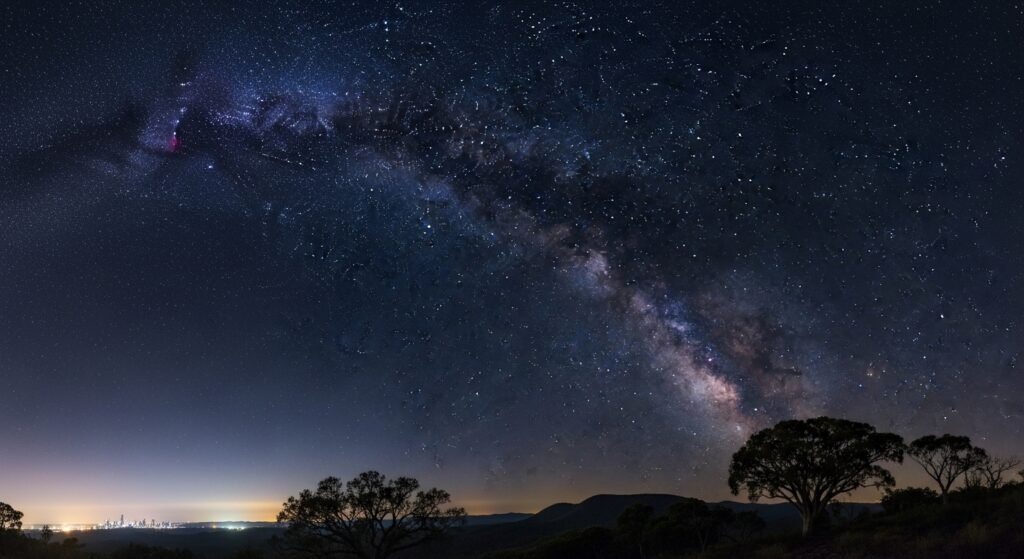
If you’ve ever stepped outside on a clear Queensland night and felt like the sky was trying to tell you something, you’re not wrong. This state is one of Australia’s best-kept secrets for stargazing, thanks to vast open landscapes, low light pollution (once you leave the city), and year-round visibility of the Milky Way.
From the buzzing lights of Brisbane to the darker hinterlands and outback plains, you don’t have to travel far to find incredible night skies. Let’s explore the best stargazing spots in Queensland, starting close to the Gold Coast and Brisbane, then stretching into truly dark-sky territory.
🌌 Gold Coast & Hinterland Stargazing Spots
🌠 Springbrook Research Observatory
4.7•Observatory
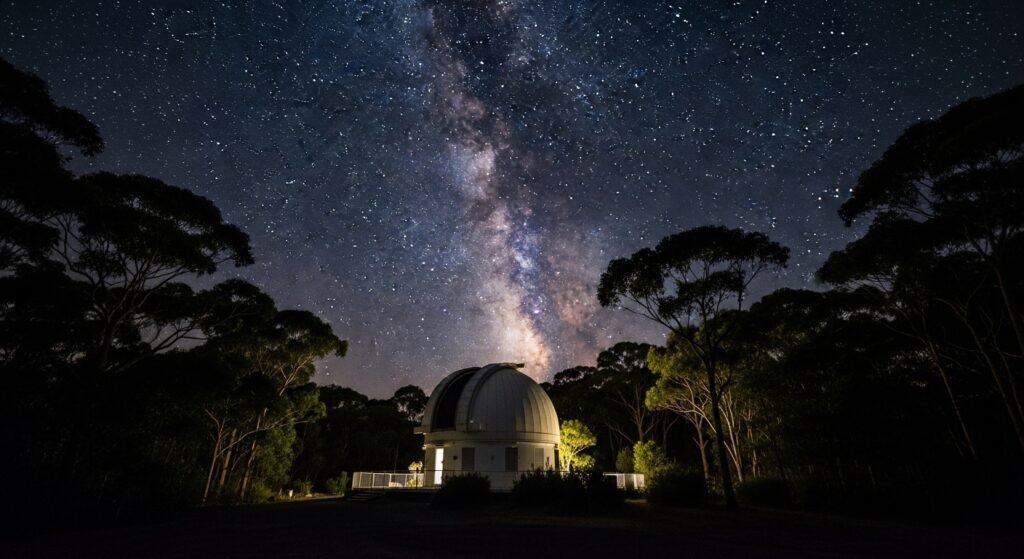
Tucked away in the Gold Coast hinterland, this is one of the most accessible ways to experience serious astronomy without needing your own telescope. Guided tours here let you look through professional-grade equipment while learning about planets, galaxies, and deep-sky objects.
The surrounding Springbrook area is already known for its low light pollution compared to the city, and once you’re away from the main roads, the sky opens up dramatically. You’ll often see the Milky Way stretching across the sky like a faint river of light.
If you’re new to stargazing, this is a perfect starting point. You don’t need to guess what you’re looking at—experts guide you through everything, turning confusion into clarity within minutes.
🌌 Gold Coast Hinterland (DIY Stargazing)
While observatories are great, sometimes you just want to lie back on a blanket and look up. The hinterland areas around Springbrook and Tamborine Mountain are popular for exactly that.
According to local stargazing discussions, places like Lake Moogerah and Somerset Dam are often recommended for clearer skies away from Brisbane’s glow.
“Lake Moogerah is a pretty good spot… to watch the Milky Way.”
The trick is simple: the further inland you go, the darker it gets. Even a 60–90 minute drive can dramatically improve what you see.
🌃 Brisbane Stargazing Locations
🌠 Sir Thomas Brisbane Planetarium
4.5•Tourist attraction•
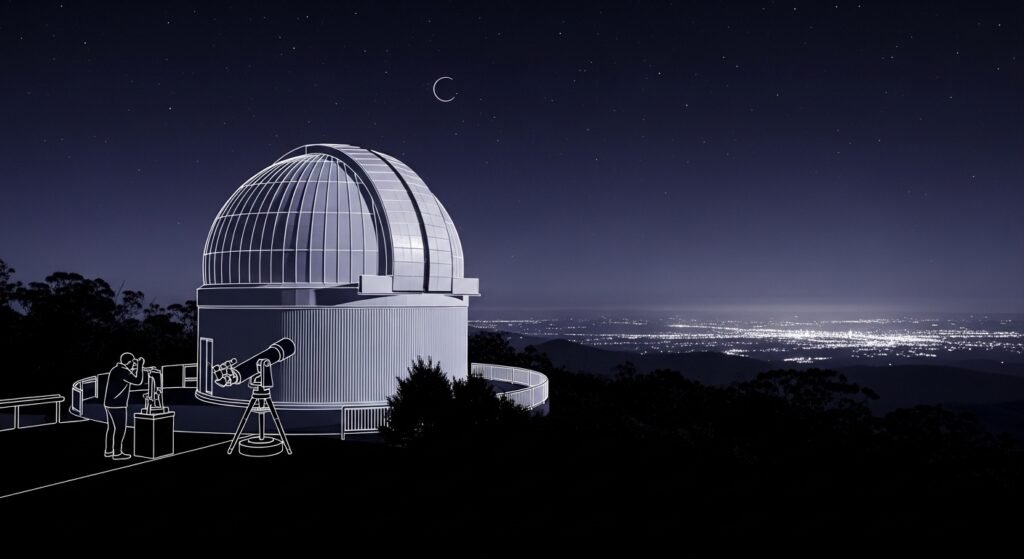
Right in the heart of Brisbane, this is the city’s go-to astronomy hub. Located at Mount Coot-tha, it combines a planetarium dome, observatory, and educational displays.
While you won’t get pitch-black skies here, it’s a fantastic place to learn the night sky before heading out. The facility has been operating since 1978 and continues to introduce thousands of visitors to astronomy each year.
Think of it as your training ground. Once you know how to spot constellations here, you’ll feel much more confident exploring darker locations.
🌄 Mount Coot-tha & Surrounding Lookouts
Just outside the planetarium, Mount Coot-tha offers elevated viewpoints that reduce some light pollution. It’s not perfect—but for a quick, spontaneous stargazing session, it’s surprisingly decent.
You’ll mainly see brighter stars, planets, and constellations. On a clear winter night, even the Milky Way becomes faintly visible.
🌿 Sunshine Coast & Near-Brisbane Dark Sky Spots
🌌 The Maleny Observatory
Observatory
Located in the Sunshine Coast hinterland, this observatory hosts public viewing nights and events throughout the year. It’s run by passionate astronomers who love sharing the sky with visitors.
The surrounding region is part of an emerging dark-sky area, where reduced light pollution makes stargazing far more rewarding.
🌠 Wappa Falls Astronomical Observatory
4.0•Observatory•
This is another fantastic option for guided stargazing near the Sunshine Coast. It’s especially popular for families and beginners because it blends education with hands-on viewing.
Unlike city-based observatories, the darker skies here mean you’ll actually see nebulae, star clusters, and even distant galaxies.
🌄 Hinterland Lookouts (Free Stargazing)
The Sunshine Coast hinterland is full of hidden gems. Locations like:
- Howells Knob Lookout
- Balmoral Ridge Lookout
- Pioneer Park
offer wide, open views of the sky with minimal obstructions.
Because light pollution globally is increasing by about 10% per year, places like this are becoming increasingly valuable for stargazing.
🌌 Southern Queensland’s Hidden Stargazing Gems
🌠 Twinstar Guesthouse
4.8•Observatory
If you want a more immersive experience, this place is something special. It’s not just accommodation—it has its own private observatory.
Located near Ballandean, this region is known for darker skies compared to coastal areas. You’ll get guided telescope sessions, making it perfect for couples or serious hobbyists.
🌌 Kingaroy Observatory
4.5•Observatory
Kingaroy sits far enough inland to escape most city light pollution. This observatory offers night tours where you can observe planets, nebulae, and galaxies.
It’s one of the best places near Brisbane if you want truly dark skies without going fully remote.
🌠 Mt Kent Observatory, University of Southern Queensland
4.6•Observatory
Located near Toowoomba, this observatory provides a more scientific experience. Public nights allow visitors to explore the sky using research-grade telescopes.
It’s ideal if you’re curious about the science behind astronomy, not just the visuals.
🌌 Outback Queensland: The Ultimate Stargazing Experience
🌠 Charleville Cosmos Centre
4.6•Observatory•
This is where stargazing becomes unforgettable.
Charleville is famous for its crystal-clear skies, and the Cosmos Centre offers guided tours using powerful telescopes. You’ll see everything from Saturn’s rings to distant nebulae.
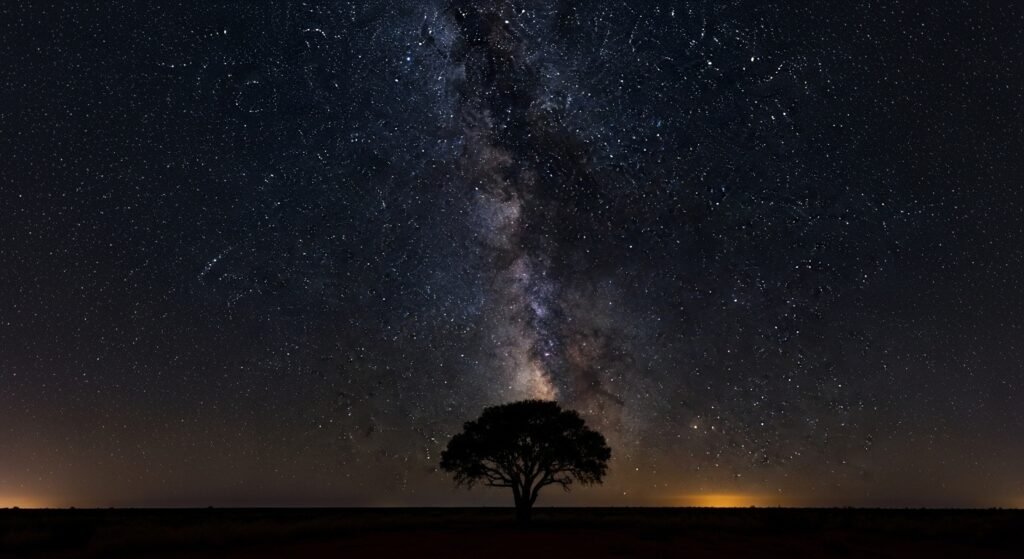
The lack of light pollution out here is on another level. You don’t just see stars—you see layers of the universe.
🌌 Australian Age of Dinosaurs (Jump-Up Dark Sky Sanctuary)
4.6•Tourist attraction•
This is one of the most extraordinary stargazing locations in Australia. It’s officially recognised as an International Dark Sky Sanctuary, meaning its skies are among the clearest on Earth.
Imagine seeing the Milky Way so bright that it casts shadows. That’s the level of darkness you’re dealing with here.
🌠 Gondwana Stars Observatory
4.8•Observatory
Located deep in outback Queensland, this observatory offers guided astronomy tours that combine storytelling with telescope viewing.
It’s not just about looking—it’s about understanding your place in the universe.
🌿 Tropical North Queensland Stargazing
🌌 Atherton Tablelands & Surrounds
If you head north, you’ll find some of Queensland’s most underrated stargazing spots.
Locations like:
- Lake Tinaroo
- Davies Creek
- Chillagoe National Park
offer dark skies with minimal light pollution, making them perfect for viewing constellations, planets, and even galaxies.
The combination of elevation and distance from cities creates ideal viewing conditions.
📊 Quick Comparison of Stargazing Spots
| Gold Coast Hinterland | Quick escapes | Medium | Easy |
| Brisbane City | Learning & beginners | High | Very easy |
| Sunshine Coast Hinterland | Balanced experience | Low–Medium | Easy |
| Southern QLD Observatories | Guided viewing | Low | Moderate |
| Outback Queensland | Best possible skies | Very low | Remote |
🌠 Tips for the Best Stargazing Experience
Let’s keep it real—location matters, but so does preparation.
- Check moon phases – A bright moon can wash out stars.
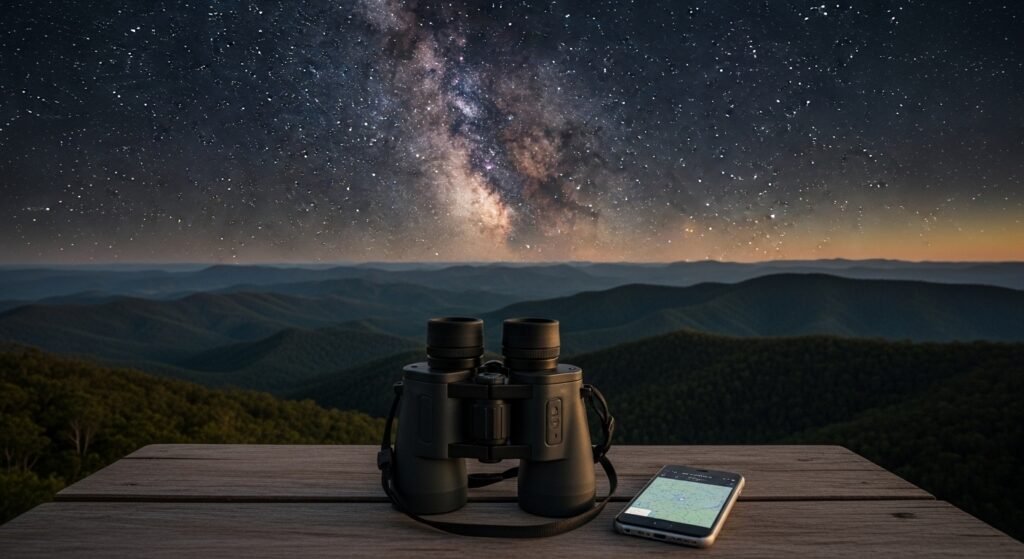
- Use a stargazing app – Helps identify constellations instantly.
- Bring binoculars – Huge upgrade from naked-eye viewing.
- Avoid city lights – Even small towns can affect visibility.
- Give your eyes 20 minutes – Let them adjust to darkness.
Even a simple setup can reveal stunning views if you’re in the right place.
🌌 Final Thoughts
Queensland offers something rare: a complete spectrum of stargazing experiences. You can start in Brisbane with a planetarium visit, head to the hinterland for a casual night under the stars, and eventually make your way out to the outback for skies that feel almost unreal.
If you’re just getting started, stick close to home—Gold Coast hinterland or Sunshine Coast lookouts are perfect. But if you want that jaw-dropping, unforgettable moment? The outback is where the sky truly comes alive.
Once you see the Milky Way in a dark sky, there’s no going back.
FAQs
1. Where is the best place near Brisbane for stargazing?
The Sunshine Coast hinterland and areas like Mount Coot-tha are great starting points, but darker skies can be found further inland.
2. Can you see the Milky Way from the Gold Coast?
Yes, but you’ll need to head into the hinterland or away from city lights for a clear view.
3. What is the darkest sky location in Queensland?
The Jump-Up Dark Sky Sanctuary near Winton is one of the darkest and most pristine sky locations in Australia.
4. Do I need a telescope for stargazing?
No. You can see thousands of stars with the naked eye, but binoculars or telescopes enhance the experience.
5. When is the best time to go stargazing in Queensland?
Winter months (May–August) are often best due to clearer skies and lower humidity.